Where Wazoo Started
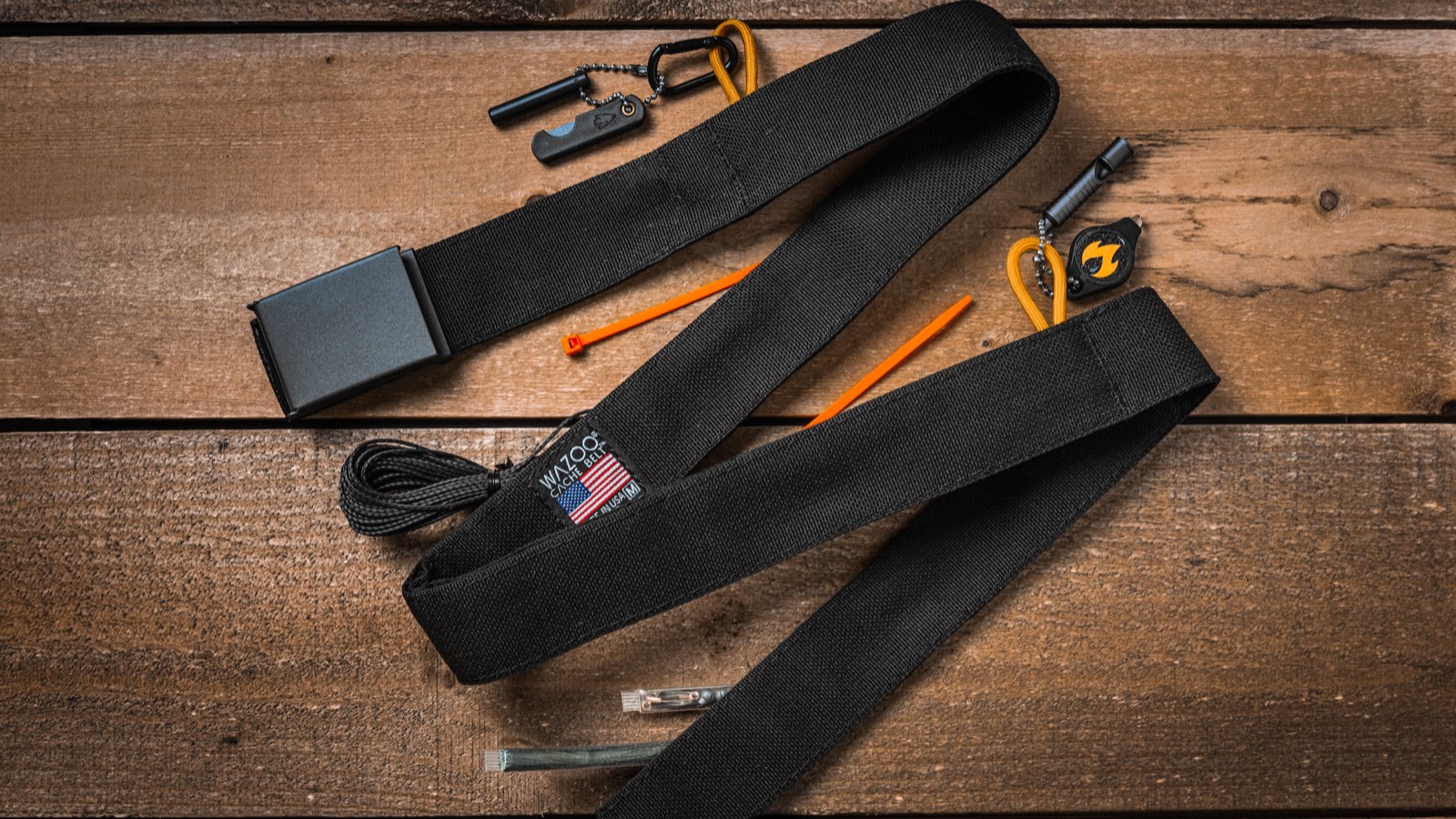
Wazoo makes everyday-carry survival gear: the Cache Belt with its hidden pocket, the Cache Cap, fire-starting necklaces and more than 50 other products. Co-founders Nick Blackman and Dustin Hogard started the company in 2012, and their Cache Belt Kickstarter shipped to more than 7,000 backers.
The team already believed in AI. Nick had spent two months building index files so ChatGPT could find the right documents in their Google Drive. Other people on the team were reaching for Claude on their own. But everyone had their own setup, and nothing talked to anything else.
They knew where they wanted to go. They didn't have a map.
The Audit Came First
Our work with Wazoo started with a full audit of their store and sales data, then a growth marketing plan built on what the numbers showed.
That audit is why the AI work landed. Before we connected a single tool, we knew which products drive revenue and where the search opportunities were.
The Pivot: Build the System Before the Tasks
In June 2026 we changed the plan together. Instead of running one-off marketing tasks, we spent the first month building the infrastructure the whole team would work from.
A Wazoo Brain
We wrote down everything a new hire needs on day one, in a form any AI can read:
- Brand voice, brand pillars and a list of phrases Wazoo never uses
- A file for every flagship product, with specs, real site copy, use cases and common customer questions
- Step-by-step workflows for blog posts, product pages, emails and review mining
- One index file that points the AI at the right knowledge for each job
The brain doesn't depend on which AI model is popular this year. If the team switches tools, the work stays.
A Blog Engine
A three-stage pipeline researches a topic, drafts the post in Wazoo's voice, and pushes it to Shopify as a draft. Someone on the team adds the photo and hits Publish. It runs without us in the room.
ClickUp as the Operating System
We set up ClickUp as the one place the team works, then connected it to the rest of the business:
- Shopify: products, inventory and sales questions answered in plain English
- Front: the team's shared inbox, searchable from the same place as their tasks
- Klaviyo: email performance reporting, month over month
- DataForSEO: keyword and search data for content planning
Now Nick can ask how many of a product sold last quarter, or how email did compared to the month before, and get an answer from real data without opening four dashboards.
What Changed
The biggest change is who uses it. The whole team runs on the system. Nick's team is finding their own ways to use it to simplify their day-to-day work and solve problems without waiting on anyone.
Each month we add the next connection or workflow. The roadmap started with the blog engine and email, and it keeps growing as the team finds new jobs to hand off.


